Molecular Sieve for Automotive Industry Air Brake System
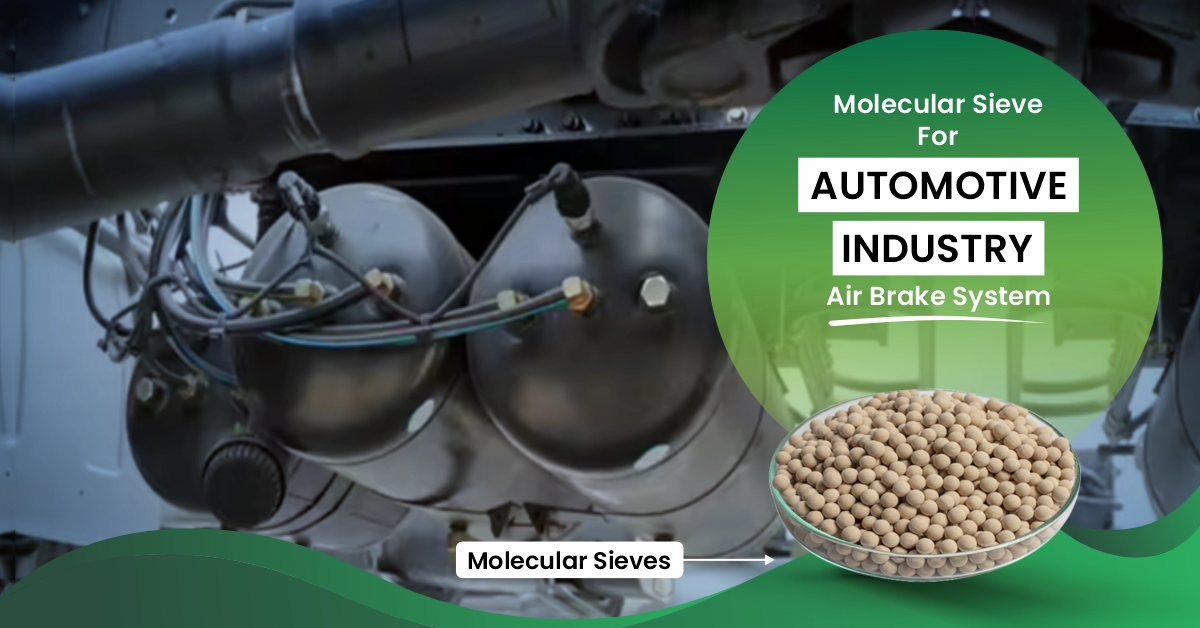
In the automotive industry especially in commercial and heavy-duty vehicles air brake systems are critical for safety and performance. From long-haul trucks to buses and trailers, these systems rely on compressed air to function effectively. However, one of the biggest threats to their efficiency and reliability is moisture. That’s where a molecular sieve for air brake system becomes indispensable.
Moisture in compressed air can lead to corrosion, freezing, and system failure. To prevent these issues, automotive manufacturers and fleet operators rely on high-performance desiccants particularly molecular sieves-to ensure consistent and reliable braking performance. Understanding how a molecular sieve for automotive air brake works and what makes it effective can help businesses avoid costly downtime and safety risks.
Why Moisture Removal in Air Brake Systems Is Critical?
Compressed air naturally contains moisture, especially in humid climates. When this air is compressed and cooled, water vapor condenses into liquid form. Without proper moisture removal in air brake system, this can lead to serious operational problems.
Common air brake system moisture problems include:
- Corrosion of valves and pipelines
- Freezing of brake lines in cold conditions
- Reduced braking efficiency
- Increased maintenance costs
This is why commercial vehicle air brake moisture control is not just a maintenance task it’s a safety requirement. The solution lies in using a high-quality desiccant for compressed air brake system, specifically designed to handle automotive demands.
Role of Molecular Sieves in Air Brake Systems
A molecular sieve for air dryer cartridge plays a central role in drying compressed air before it reaches the braking system. Installed inside air dryer units, molecular sieves adsorb moisture at a microscopic level, ensuring that only dry air flows through the system.
Unlike traditional desiccants, molecular sieves have a uniform pore structure that allows them to selectively trap water molecules. This makes them highly efficient as an air brake desiccant molecular sieve, even under high pressure and varying temperatures.
In modern vehicles, especially heavy-duty trucks, the use of an automotive air dryer desiccant is standard. These desiccants are packed into cartridges, often referred to as air dryer cartridge desiccant beads, which can be replaced during maintenance cycles.
Types of Molecular Sieves Used in Air Brake Systems
Not all molecular sieves are the same. The choice depends on the application, operating conditions, and required performance.
1. 3A Molecular Sieve for Air Brake
The 3A molecular sieve for air brake is specifically designed to adsorb water while excluding larger molecules. It is highly effective in removing moisture without affecting other components of the compressed air.
Key benefits:
- Excellent moisture adsorption
- High thermal stability
- Ideal for standard automotive conditions
2. 4A Molecular Sieve for Truck Air Brake
The 4A molecular sieve for truck air brake is more versatile and can adsorb a wider range of molecules. It is commonly used in heavy-duty applications where higher moisture loads are expected.
Advantages include:
- Greater adsorption capacity
- Suitable for heavy truck operations
- Reliable in extreme weather conditions
Both types are widely used as desiccant for air brake system, depending on system requirements.
How Molecular Sieves Improve Dew Point Control?
One of the key performance indicators in air brake systems is dew point control in air brake system. Dew point refers to the temperature at which moisture begins to condense. Lowering the dew point ensures that water remains in vapor form and does not condense inside the system.
A high-quality air brake desiccant molecular sieve can significantly reduce the dew point, ensuring:
- Dry air delivery
- Prevention of freezing in cold climates
- Extended lifespan of brake components
Effective commercial vehicle air brake moisture control depends heavily on maintaining an optimal dew point, which molecular sieves help achieve consistently.
Importance of Air Dryer Cartridge Desiccant Beads
Air dryers are the first line of defense against moisture. Inside these units, air dryer cartridge desiccant beads perform the crucial task of absorbing water vapor.
These beads are typically made from molecular sieves due to their superior performance. When selecting a molecular sieve for air dryer cartridge, factors such as bead size, crush strength, and adsorption capacity become important.
The right desiccant for compressed air brake system ensures:
- Efficient drying
- Longer service intervals
- Reduced maintenance costs
Key Factors That Define a High-Quality Molecular Sieve
Choosing the right bulk molecular sieve for air brake system is essential for performance and cost efficiency. Here are the most important factors to consider:
1. Molecular Sieve Bead Size for Air Dryer
The molecular sieve bead size for air dryer affects airflow and adsorption efficiency. Smaller beads offer a larger surface area, while larger beads provide better airflow.
An optimal balance ensures:
- Efficient moisture removal
- Minimal pressure drop
- Enhanced system performance
2. High Crush Strength Molecular Sieve
Air brake systems operate under high pressure, making durability critical. A high crush strength molecular sieve ensures that the beads do not break down over time.
Benefits include:
- Longer lifespan
- Consistent performance
- Reduced dust formation
3. Adsorption Capacity
The ability to adsorb moisture determines how effective the desiccant will be. A high-capacity heavy truck air brake desiccant is essential for vehicles operating in humid or demanding conditions.
Application in Heavy-Duty and Commercial Vehicles
In heavy-duty applications, such as trucks and buses, the demand for reliable braking systems is even higher. A heavy truck air brake desiccant must handle large volumes of compressed air and higher moisture levels.
Using a robust desiccant for air brake system ensures:
- Safe braking performance
- Reduced downtime
- Compliance with safety regulations
For fleet operators, investing in a high-quality automotive air dryer desiccant is not just about performance it’s about safety and operational efficiency.
Bulk Supply and OEM Considerations
Manufacturers and suppliers often require bulk molecular sieve for air brake system to meet production demands. Bulk supply ensures consistency and cost-effectiveness for large-scale operations.
Working with an OEM air brake desiccant supplier offers several advantages:
- Customized solutions
- Consistent quality
- Technical support
OEM suppliers understand the specific requirements of automotive systems and provide tailored molecular sieve for automotive air brake applications.
Common Mistakes to Avoid
Despite its importance, the wrong choice of desiccant can lead to inefficiencies. Here are some common mistakes:
- Using low-quality air brake desiccant molecular sieve
- Ignoring bead size and crush strength
- Delaying replacement of air dryer cartridge desiccant beads
- Choosing the wrong type (3A vs 4A)
Avoiding these mistakes ensures effective moisture removal in air brake system and long-term reliability.
Future Trends in Air Brake Desiccant Technology
The automotive industry is evolving rapidly, and so is desiccant technology. Innovations in molecular sieve for air dryer cartridge design are focused on:
- Higher adsorption efficiency
- Longer service life
- Eco-friendly materials
Advanced desiccant for compressed air brake system solutions are being developed to meet stricter environmental and performance standards.
Conclusion
A reliable air brake system is essential for vehicle safety, and moisture control plays a critical role in ensuring its performance. A high-quality molecular sieve for air brake system provides effective drying, prevents system failures, and enhances overall efficiency. From 3A molecular sieve for air brake to 4A molecular sieve for truck air brake, choosing the right type and specifications can make all the difference. Factors such as molecular sieve bead size for air dryer, high crush strength molecular sieve, and adsorption capacity must be carefully evaluated.
Whether you are a fleet operator, manufacturer, or supplier, investing in the right automotive air dryer desiccant and working with a trusted OEM air brake desiccant supplier ensures long-term reliability and safety.
In an industry where performance and safety go hand in hand, the role of a desiccant for air brake system cannot be underestimated. The right choice not only protects your braking system but also safeguards lives on the road.
