Molecular Sieve for Biogas Upgrading and Biomethane Purification: A Reliable Solution for High-Purity Renewable Gas
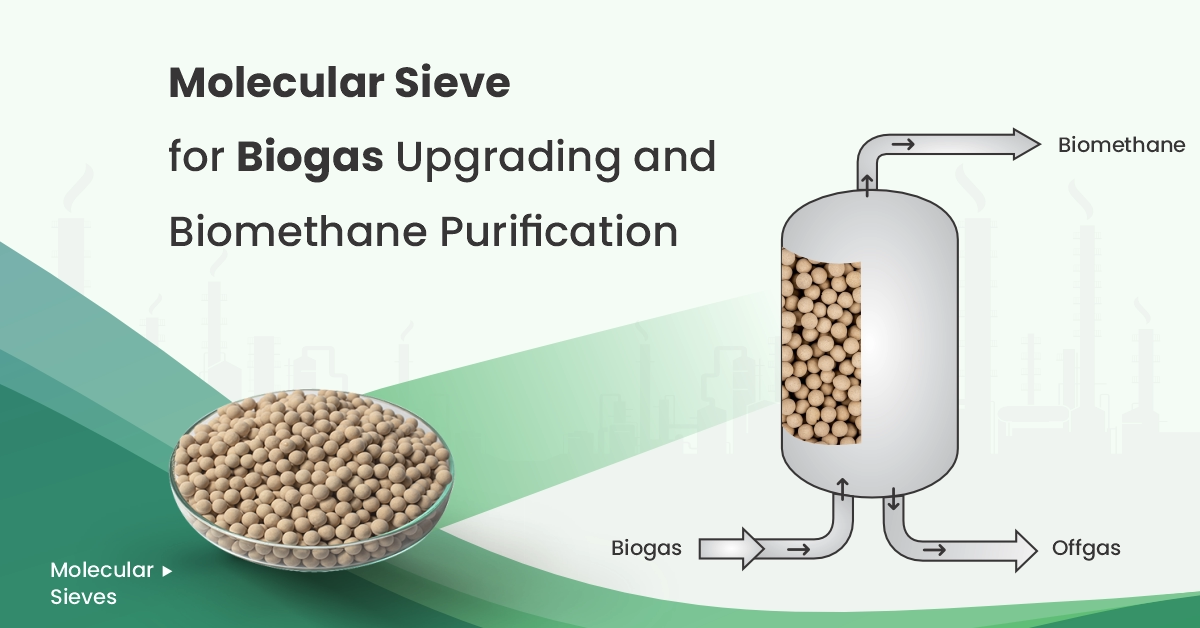
As industries and governments worldwide transition toward cleaner energy sources, biogas has emerged as a sustainable alternative to conventional fossil fuels. Produced through the anaerobic digestion of organic waste, biogas offers an environmentally friendly way to generate energy while reducing greenhouse gas emissions. However, raw biogas contains impurities such as carbon dioxide (CO2), hydrogen sulfide (H2S), and moisture that must be removed before it can be used efficiently. This is where molecular sieve for biogas plays a vital role.
Molecular sieve desiccants are widely used in biogas purification, biomethane upgrading, and industrial gas treatment systems because of their exceptional adsorption capabilities. They efficiently remove water vapor and other contaminants, ensuring a cleaner methane-rich gas suitable for power generation, pipeline injection, and vehicle fuel applications.
In this guide, we'll explore how molecular sieves support renewable gas purification, their benefits, industrial applications, and why they are the preferred biomethane upgrading adsorbent for modern gas processing facilities.
What is Biogas?
Biogas is a renewable fuel produced by the microbial decomposition of organic materials in oxygen-free environments. Common feedstocks include:
- Agricultural waste
- Animal manure
- Food waste
- Municipal solid waste
- Sewage sludge
- Organic industrial waste
Raw biogas typically contains:
- Methane (CH4): 50–70%
- Carbon Dioxide (CO2): 30–50%
- Water Vapor
- Hydrogen Sulfide (H2S)
- Trace gases such as ammonia, siloxanes, nitrogen, and oxygen
While methane is the valuable energy component, impurities reduce the calorific value of biogas and can damage downstream equipment. Therefore, industrial biogas treatment is essential before the gas can be utilized.
Why Biogas Requires Purification
Raw biogas cannot be directly injected into natural gas pipelines or used in high-efficiency engines because contaminants negatively impact system performance.
Major challenges include:
- Corrosion of pipelines and equipment
- Reduced combustion efficiency
- Catalyst poisoning
- Increased maintenance costs
- Environmental compliance issues
Effective industrial gas purification improves methane concentration while removing harmful contaminants, transforming raw biogas into high-quality biomethane.
What is Biomethane Upgrading?
Biomethane upgrading is the process of increasing methane concentration by removing unwanted gases and moisture from raw biogas.
The primary objectives include:
- Increasing methane purity above 95%
- Removing carbon dioxide
- Eliminating hydrogen sulfide
- Removing moisture
- Protecting compressors and storage systems
Modern upgrading plants use adsorption technologies, membranes, water scrubbing, or chemical absorption. Among these, molecular sieve adsorption is highly valued for its efficiency, reliability, and ability to produce pipeline-quality renewable gas.
Why Choose Molecular Sieve for Biogas?
A molecular sieve for biogas is a synthetic crystalline aluminosilicate (zeolite) with precisely engineered pore sizes. These uniform pores selectively adsorb water molecules and specific impurities while allowing methane to pass through with minimal loss.
Unlike conventional desiccants, molecular sieves maintain excellent adsorption performance even under low humidity conditions and varying operating pressures. This makes them ideal for continuous biogas purification systems.
Key Benefits
- High moisture adsorption capacity
- Excellent selectivity
- Low methane loss
- Long operational life
- Reusable through regeneration
- High mechanical strength
- Consistent performance in demanding industrial environments
Role of Molecular Sieves in Biogas Purification
The success of biogas purification molecular sieve systems lies in their ability to perform multiple purification functions within a single process.
Moisture Removal from Biogas
Water vapor is one of the most common contaminants in raw biogas. Moisture promotes corrosion, reduces equipment efficiency, and may cause freezing in pipelines during low-temperature operations.
A biogas drying desiccant removes water vapor through adsorption, delivering dry gas that protects compressors, valves, storage tanks, and pipeline infrastructure.
Efficient moisture removal from biogas also improves the performance of downstream CO2 and H2S removal systems.
CO2 Removal Using Molecular Sieves
Carbon dioxide significantly lowers the heating value of biogas.
CO2 removal molecular sieve technology selectively adsorbs carbon dioxide while allowing methane to remain in the gas stream. This increases methane concentration and improves overall fuel quality.
Benefits include:
- Higher calorific value
- Improved combustion efficiency
- Pipeline-quality biomethane
- Lower greenhouse gas emissions
- Enhanced fuel economy
Pressure Swing Adsorption (PSA) systems commonly employ molecular sieves for efficient CO2 separation.
H2S Removal from Biogas
Hydrogen sulfide is a toxic and highly corrosive gas naturally present in biogas.
If not removed, H2S can:
- Corrode pipelines
- Damage compressors
- Poison catalysts
- Reduce equipment lifespan
- Increase maintenance expenses
While specialized adsorbents are often used for high H2S concentrations, molecular sieves can serve as part of an integrated purification system to support H2S removal from biogas, especially when combined with dedicated sulfur-removal media.
Pressure Swing Adsorption (PSA) Technology
Pressure Swing Adsorption is one of the most effective methods for biomethane production.
The process operates in four stages:
- Raw biogas enters the adsorption vessel.
- Molecular sieve adsorbs moisture, CO2, and selected impurities.
- High-purity methane exits the system.
- The adsorbent is regenerated by reducing pressure before beginning the next cycle.
Because PSA systems operate continuously with multiple adsorption beds, they provide consistent gas quality and excellent energy efficiency.
Industrial Applications
The demand for industrial biogas treatment continues to grow across multiple sectors.
Wastewater Treatment Plants
Wastewater facilities generate biogas from sewage sludge digestion. Molecular sieves help upgrade this gas into clean biomethane suitable for electricity generation or pipeline injection.
Agricultural Biogas Plants
Livestock farms and agricultural processing facilities convert manure and crop residues into renewable energy. Molecular sieve systems improve methane purity and maximize energy recovery.
Food Processing Industries
Organic food waste is increasingly converted into biogas. Reliable gas purification enhances energy efficiency while reducing waste disposal costs.
Municipal Solid Waste Facilities
Landfill gas contains moisture and contaminants. Molecular sieves improve gas quality before utilization in power generation or renewable natural gas (RNG) production.
Benefits of Molecular Sieves in Renewable Gas Purification
Using molecular sieves for renewable gas purification offers several operational and economic advantages.
Superior Adsorption Efficiency
Uniform pore structures enable efficient removal of moisture and carbon dioxide without significant methane loss.
High Methane Recovery
One of the key objectives of methane purification adsorbent systems is maximizing methane recovery while minimizing waste.
Lower Maintenance Costs
Dry, contaminant-free gas reduces corrosion and equipment wear, extending the lifespan of compressors, pipelines, and storage systems.
Long Service Life
High-quality molecular sieves can withstand numerous adsorption and regeneration cycles while maintaining excellent performance.
Energy Efficiency
Modern PSA systems using molecular sieves require relatively low operating energy compared to several alternative upgrading technologies.
Molecular Sieve vs Conventional Desiccants
While activated alumina and silica gel are commonly used for moisture removal, molecular sieves offer several advantages for biogas upgrading.
| Feature | Molecular Sieve | Activated Alumina |
|---|---|---|
| Moisture Adsorption at Low Humidity | Excellent | Good |
| CO2 Separation Capability | Excellent | Limited |
| Methane Purification | Excellent | Limited |
| Regeneration | Excellent | Good |
| PSA Compatibility | Excellent | Moderate |
| Biomethane Upgrading | Highly Suitable | Limited Applications |
Choosing the Right Biomethane Plant Adsorbent
Selecting the appropriate biomethane plant adsorbent depends on several operational factors.
Consider:
- Required methane purity
- Gas composition
- Moisture content
- CO2 concentration
- H2S levels
- Operating pressure
- Temperature
- Regeneration method
- Desired service life
Consulting an experienced molecular sieve manufacturer ensures the correct grade is selected for optimum performance.
Best Practices for Molecular Sieve Performance
To maximize the lifespan of a gas dehydration system, industries should follow these recommendations:
- Prevent liquid water carryover.
- Install efficient pre-filtration.
- Monitor inlet gas quality regularly.
- Regenerate the molecular sieve according to manufacturer guidelines.
- Replace contaminated desiccant when adsorption capacity declines.
- Maintain proper operating pressure and temperature.
Proper maintenance improves system efficiency while reducing operating costs.
Conclusion
As the global demand for renewable energy continues to grow, efficient industrial biogas treatment has become essential for producing high-quality biomethane. Removing moisture, carbon dioxide, hydrogen sulfide, and other contaminants is critical for ensuring safe operation, protecting equipment, and meeting pipeline-quality gas standards.
A biogas purification molecular sieve offers an advanced and highly reliable solution for gas upgrading. Its exceptional adsorption capacity, high selectivity, durability, and regeneration capability make it the preferred biomethane upgrading adsorbent for modern PSA systems and renewable gas facilities.
Whether used for moisture removal from biogas, CO2 removal molecular sieve applications, methane purification adsorbent systems, or complete industrial gas purification, molecular sieves deliver consistent performance and long-term operational value. By choosing the right molecular sieve for biogas, industries can enhance methane recovery, improve process efficiency, reduce maintenance costs, and contribute to a cleaner, more sustainable energy future.
